

For residents of Ibadan, students of the university, and visitors with an interest in wildlife, the University of Ibadan Zoo holds steady relevance. It serves academic goals, supports environmental awareness, and provides a low-cost recreational option within the city.
Location and Setting within the University of Ibadan
The University of Ibadan Zoo is located inside the main campus at Oyo Road, Ibadan, Oyo State. The campus itself is known for its expansive greenery, quiet roads, and open spaces. The zoo blends into this environment naturally, surrounded by trees and academic buildings rather than commercial structures.
Its position within the university is intentional. As a teaching zoo, it is designed to be accessible to students of zoology, veterinary medicine, wildlife management, and related fields. At the same time, members of the public can access it without difficulty, making it a shared resource rather than a restricted academic facility.
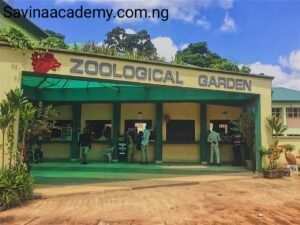
A Brief History of the University of Ibadan Zoo
The University of Ibadan Zoo was established to support teaching and research in animal and environmental sciences. From its early years, it has functioned as a living laboratory where theoretical knowledge meets direct observation. Over time, it also became a familiar relaxation spot for students and a simple educational outing for families.
Unlike many newer zoological parks, the University of Ibadan Zoo developed gradually, shaped by academic needs rather than tourism goals. This history explains its straightforward layout and practical focus.
Animals You Can See at the University of Ibadan Zoo
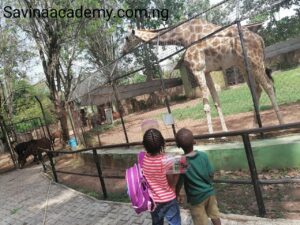
While the University of Ibadan Zoo is not large, it hosts a range of animals that reflect Nigeria’s wildlife and common zoo species. Visitors can expect to see mammals, reptiles, and birds housed in enclosures designed primarily for observation and study.
- Lions and other big cats
- Monkeys and baboons
- Crocodiles and snakes
- Antelopes and small mammals
- Peacocks and other bird species
The focus is less on spectacle and more on familiarity. Many of the animals are species that students study in textbooks, making real-life observation especially valuable for academic purposes.
Educational Importance of the University of Ibadan Zoo
The strongest role of the University of Ibadan Zoo lies in education. Departments within the university use the zoo for practical classes, fieldwork, and research projects. Students learn animal behavior, feeding patterns, habitat management, and basic conservation principles through direct exposure.
For younger visitors, especially secondary school students, the zoo provides an early introduction to wildlife education. Seeing animals up close often makes lessons in biology and environmental studies easier to understand and remember.
Institutions that emphasize early academic guidance, such as Savina Academy, often encourage educational excursions to places like the University of Ibadan Zoo because they combine learning with real-world experience.
Visiting the University of Ibadan Zoo
The University of Ibadan Zoo is generally open to the public during daytime hours, although exact opening times may vary. Entry fees are usually affordable, which makes it accessible to students, families, and tourists on a budget.
Visitors are advised to come earlier in the day, when animals are more active and the weather is cooler. Comfortable footwear is also recommended, as the zoo involves walking through natural paths rather than paved tourist routes.
Who Should Visit
- University and secondary school students
- Families seeking a calm outdoor activity
- Researchers and animal science enthusiasts
- Visitors interested in Ibadan’s academic landmarks
Rules and Visitor Conduct
As an academic zoo, visitor conduct is taken seriously. Feeding animals without permission, making excessive noise, or attempting to cross barriers is discouraged. These rules are in place to protect both the animals and visitors.

Photography is generally allowed, but flash photography may be restricted around certain animals. Visitors are encouraged to respect staff instructions and posted guidelines throughout the zoo.
Conservation and Animal Welfare
The University of Ibadan Zoo plays a modest but important role in conservation awareness. Although it is not a large breeding or rescue center, it helps promote responsible attitudes toward wildlife. Students and visitors learn about habitat loss, human-wildlife conflict, and the importance of preserving biodiversity.
Animal care at the zoo is overseen by trained personnel, including veterinarians and animal science professionals. Feeding schedules, enclosure maintenance, and health monitoring are handled with academic oversight rather than commercial pressure.
University of Ibadan Zoo Compared to Other Zoos in Nigeria
When compared to larger attractions such as the University of Ilorin Zoo or privately owned wildlife parks, the University of Ibadan Zoo stands out for its simplicity. It does not rely on amusement features or large crowds. Its strength lies in its calm atmosphere and educational purpose.
This makes it particularly suitable for visitors who prefer quiet learning environments over entertainment-focused destinations.
Nearby Attractions within the University of Ibadan
A visit to the University of Ibadan Zoo can be combined with other notable locations on campus. These include the Kenneth Dike Library, the Trenchard Hall area, and the university’s botanical gardens. Together, they offer a fuller picture of the institution’s academic and cultural heritage.
Students considering admission into the university often explore these areas to better understand campus life. Guidance platforms like Savina Academy’s educational guidance resources frequently recommend campus visits as part of informed academic planning.
How the Zoo Supports Student Life
For students of the University of Ibadan, the zoo is more than a tourist spot. It is a place to unwind, reflect, or study in a natural setting. Many students use the surrounding areas for quiet reading or group discussions.
Its presence contributes to the campus atmosphere, reminding students that learning extends beyond lecture halls and textbooks.
Planning an Educational Trip to the University of Ibadan Zoo
Schools and educational groups planning a visit to the University of Ibadan Zoo are encouraged to contact the university authorities in advance. This allows for guided tours, structured learning sessions, and better coordination.
Parents and students seeking structured academic exposure may also find useful preparation tips through trusted academic support platforms such as Savina Academy’s study resources.
External Resources for Further Reading
For readers interested in broader topics related to zoological gardens and wildlife education, the following external resources may be helpful:
- University of Ibadan Official Website
- Overview of Zoological Gardens
- World Association of Zoos and Aquariums
Final Thoughts on the University of Ibadan Zoo
The University of Ibadan Zoo may not be Nigeria’s most elaborate wildlife attraction, but it fulfills its purpose with quiet consistency. It supports education, encourages respect for animals, and offers a peaceful space within a busy academic environment.
For students, families, and visitors who value learning and simplicity, the University of Ibadan Zoo remains a meaningful destination. Its continued relevance lies not in expansion or spectacle, but in its steady role as a place where knowledge, nature, and reflection come together.