

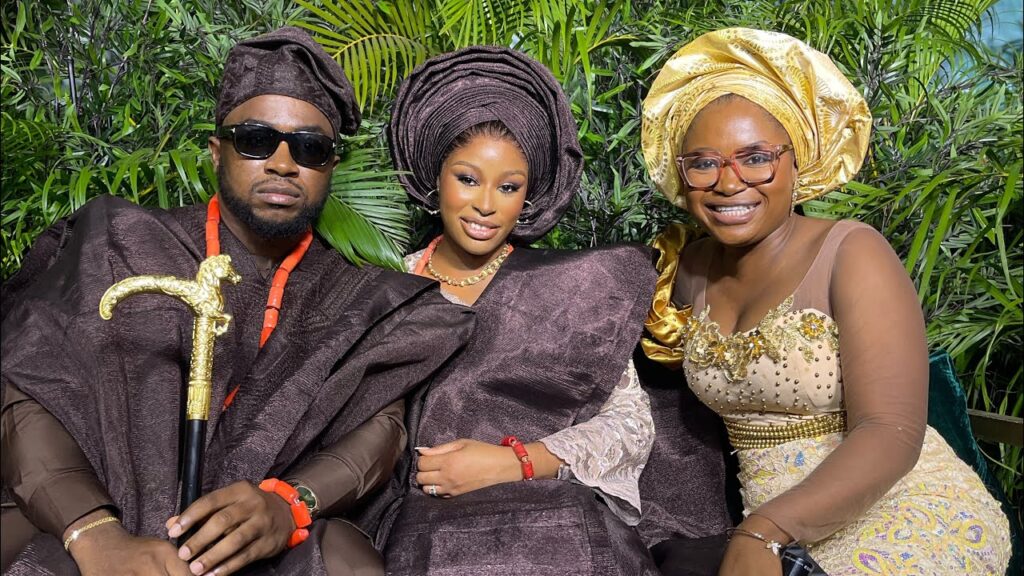
Inter-Tribal Marriage and National Integration
Introduction
Nigeria is characterized by cultural, linguistic, religious, and ethnic diversity, making national integration essential for maintaining unity, stability, and sustainable development. National integration involves creating a sense of belonging, mutual understanding, and shared national identity among citizens, regardless of their ethnic, religious, or cultural backgrounds. By promoting these values, the country can strengthen relationships among its diverse population and encourage citizens to work together towards common national goals. It is of great importance for a diverse country like Nigeria to pursue national integration vigorously in order to promote peaceful coexistence among the various ethnic groups that make up the nation.
National integration and peaceful coexistence are closely interconnected and can be regarded as mutually reinforcing principles. National integration encourages unity, cooperation, tolerance, and respect among different groups, while peaceful coexistence creates an environment in which these relationships can flourish. Without deliberate efforts to promote national integration, differences in ethnicity, religion, language, and culture may lead to discrimination, mistrust, conflict, and social division. Similarly, where peace and mutual respect are lacking, the process of building national unity becomes increasingly difficult. Therefore, national integration and peaceful coexistence must be pursued together to establish a stable and united society.
For Nigeria to achieve lasting peace and national unity, deliberate measures must be taken to promote equal opportunities, justice, fairness, inclusive governance, and respect for the rights of all citizens. Educational programmes, interethnic interactions, civic participation, and policies that discourage discrimination can help strengthen mutual understanding and national consciousness. Furthermore, political leaders, traditional rulers, religious organizations, educational institutions, and community members have important roles to play in encouraging dialogue and resolving conflicts peacefully. Through these collective efforts, Nigeria can build a stronger sense of national identity while preserving the cultural diversity that characterizes its population. Ultimately, national integration and peaceful coexistence are essential foundations for national stability, democratic development, and long-term progress.
Inter-Tribal Marriage and National Integration
Intertribal or inter-ethnic marriage is a form of marriage where a man and a woman from different tribes or ethnic group come together in a marriage institution. It presupposes a situation whereby a man or a woman marries outside his or her tribe or ethnicity. In other words, inter-tribal marriage is a marriage between a man and a woman of different ethnic groups or tribes. Inter-religious marriage presupposes a situation whereby a man and a woman from different religious beliefs come together as husband and wife. Interestingly, these forms of marriage are now very common among our youths, who do not see anything morally wrong in marrying someone from a different tribe, religious or denominational background
Interracial marriages have its benefits cultural-wise and the most important is cultural integration. “Go into the world and multiply”, how do we multiply if we are stuck in the same geographical space? Interracial marriage encourages a mix in cultural ideology, financial growth and national stability. In an article by Cooper, he says: “the ability to integrate culturally has been ranked as more important to the success of acquisitions than financial and strategic factors.” In the same vein, different cultural lifestyle means a different way of thinking; different values, different beliefs, and different lifestyles. Living together with someone from a different culture will empower you to approach issues from a different point of view and transform you into a more open-minded person.
This have further strengthened the chord of unity among various ethnic nationalities since the end of the unfortunate Nigerian civil war. In defense of inter-tribal marriage as a potent chord that ensures unity, peace, and harmonious co-existence, Adegbulugbe (2007), pointed out that inter-tribal marriage succeeds and even more successful than tribal marriage, as a result the youths should not be afraid to enter into it so as to promote the unity of the country.
The role of intertribal marriage as a promoter of national integration and peaceful co-existence was further stressed by Azuh (nd) when he identified tribalism and ethno centralism as one of the factors militating against progress and development of Nigeria. Therefore, to ameliorate this situation intertribal cum inter-religious marriage should be encouraged among our youths, so as to strengthen our nascent democracy and bring about the needed development.
From the forgoing, it is crystal clear that democracy, good governance and sustainable development cannot take root in our country, if we do not encourage intertribal and interreligious marriage. Meliga (2013) was right in acknowledging the fact that most people agree that intertribal marriages foster unity among the people of Nigeria and can be veritable tool for national integration. The reason for the above assertion is not far-fetched; those who married from other tribes are found to be more open, liberal, accommodating and often radiate with tolerance in their interaction and association with the people of other tribes.
Conclusion
Inter-ethnic marriage can serve as an important means of promoting national unity, development, and peaceful coexistence in Nigeria. By bringing individuals and families from different ethnic, cultural, linguistic, and religious backgrounds together, inter-ethnic marriages can encourage mutual understanding, tolerance, and respect for diversity. Nigeria’s cultural and ethnic differences should be regarded as sources of strength rather than obstacles to national development. The popular saying that variety is the spice of life emphasizes the value of diversity in building a more inclusive and harmonious society. Therefore, Nigerians should learn to appreciate their differences and recognize the common values that unite them as citizens of one nation.
Furthermore, deliberate efforts should be made to formulate and implement policies and reforms that promote national integration and peaceful coexistence. Government institutions, educational establishments, traditional rulers, religious leaders, and community organizations all have important roles to play in encouraging interaction and cooperation among different ethnic groups. Such efforts should promote equal opportunities, discourage ethnic discrimination, strengthen national identity, and ensure that citizens are treated fairly regardless of their backgrounds. When these measures are effectively implemented, they can help reduce prejudice, build trust, and create an environment in which people from different communities can live and work together peacefully.
One strategy that can contribute to national integration is the creation of opportunities for meaningful interaction between people from different ethnic groups. These opportunities may include inter-ethnic marriages, cultural exchange programmes, educational activities, community development projects, youth associations, and national service initiatives. Through such interactions, individuals can learn about one another’s customs, traditions, languages, and beliefs, thereby reducing stereotypes and misunderstandings. Although inter-ethnic marriage can strengthen relationships between families and communities, it should remain a matter of personal choice and mutual consent rather than an obligation imposed on citizens. When combined with inclusive policies, civic education, and respect for individual rights, it can contribute to a broader effort to promote national unity, development, and peaceful coexistence in Nigeria.
References
Francis, D.J. (2006), Peace and Conflict Studies; an African Overview of Basic Concepts. In S.G, Best (Ed), Introduction to Peace and Conflict Studies In West Africa. Ibadan: Spectrum Books Limited.




No comments yet. Be the first to share your thoughts.