

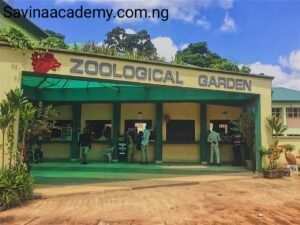
The University of Ibadan Zoological Garden stands as a remarkable blend of nature, learning, and recreation within Nigeria’s oldest university. Located on the lush campus of the University of Ibadan in Oyo State, this zoo has grown from a modest teaching facility into one of the most visited wildlife gardens in the region. From diverse animal species to educational programs and family-friendly spaces, it has become a unique destination for students, researchers, families, and tourists alike.
A Living Legacy Since the Mid‑20th Century
The zoological garden was first founded in 1948 as a collection of animals primarily used by the Department of Zoology to support field work and observation. Over time, as the number and variety of animals increased, the garden evolved into a full zoo by 1974 and came under the governance of an independent management board within the university. Today it functions not only as a research and conservation facility but also as a destination for recreation and learning in Ibadan.
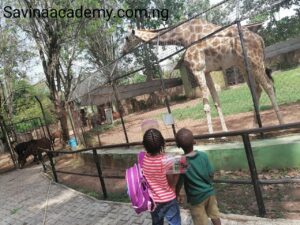
Its mission includes the conservation of endangered species, fostering public understanding of wildlife, and providing practical exposure for zoology students. Guided tours and educational talks allow visitors to learn about animal behavior, ecology, and the importance of preserving biodiversity. The zoo is open every day of the year from morning until early evening, offering flexibility for planning visits by school groups, families, or individuals.
Wildlife You Can Meet
Animal lovers will find a surprising range of species within the grounds. Mammals such as lions, baboons, and monkeys represent big and small primate groups. The avian section features birds ranging from peacocks to owls and even ostriches. There is also an assortment of reptiles, including crocodiles and various snake species, offering a close look at creatures visitors may otherwise never encounter. 2
Each enclosure is designed to promote natural behavior and provide enriching spaces for the animals. Educational signage helps visitors understand not just the names of the animals, but also their diet, habitat, and conservation status. Many enthusiasts describe the experience as both engaging and enlightening, as the zoo offers a hands‑on glimpse into the world of wildlife.
Educational and Conservation Goals
Beyond being a place to see animals, the University of Ibadan Zoological Garden plays a vital role in creating awareness about conservation and wildlife protection. Students from the Department of Zoology and related fields use the garden regularly for practical studies, while workshops and special programs encourage school children to take interest in biology and ecology.
Many visitors are drawn by the chance to learn, to support conservation, and to engage in thoughtful conversations about the role of humans in protecting endangered species. The zoo also runs programs where volunteers can support animal care or help with guided tours, which deepens the connection between people and the natural world.

Visitor Experience and Facilities
Entry to the zoological garden is modestly priced, making it accessible to a wide audience. There are designated picnic spots under tall trees where families can enjoy time outdoors after viewing the wildlife. Secure parking is available at the entrance, and trained staff maintain safety throughout the garden. While basic refreshments and snacks are sold on site, many visitors also bring their own food to enjoy at the picnic areas.
The atmosphere here is relaxed and reflective, a contrast to the bustle of Ibadan city life. Whether you are planning a family day out, a field excursion for students, or an afternoon of learning, the zoo provides a calm environment that encourages curiosity and exploration. Some visitors note that improvements could be made in animal habitats or infrastructure, but many appreciate the efforts undertaken to maintain this historic institution.
Supporting Wildlife from the Heart
If you are passionate about conservation, the garden offers ways to get involved. The “Friend of the Zoo” initiative invites individuals and groups to stay informed about developments and animal care efforts, while adoption programs allow supporters to contribute directly to the wellbeing of specific animals. Donations are another avenue to help expand the zoo’s capacity to care for wildlife and improve facilities.
Volunteering is also an option for those who want to work closely with animal care teams and educators. This can be particularly meaningful for students and young professionals seeking experience in wildlife management or environmental education.
Nearby Places Worth Exploring
When you plan a visit, you might consider combining it with other attractions in Ibadan. The Agodi Gardens offers its own blend of botanical beauty and a small zoological display. For those interested in plant diversity, the University of Ibadan Botanical Garden stands as a serene companion space filled with diverse plant species.
Plan Your Visit
Before you go, ensure you check operating times and entry fees if you want to take photos or use professional equipment, as some attractions may have additional charges. The garden’s location within the university campus makes it easy to reach from central Ibadan by taxi or ride share. Whether you come for education, leisure, or to support conservation work, the University of Ibadan Zoological Garden remains an inviting space where knowledge and nature meet.
Read More on Nature and Learning
Have you visited this zoological garden lately? Leave a comment below to share your experience or photos with fellow readers.