
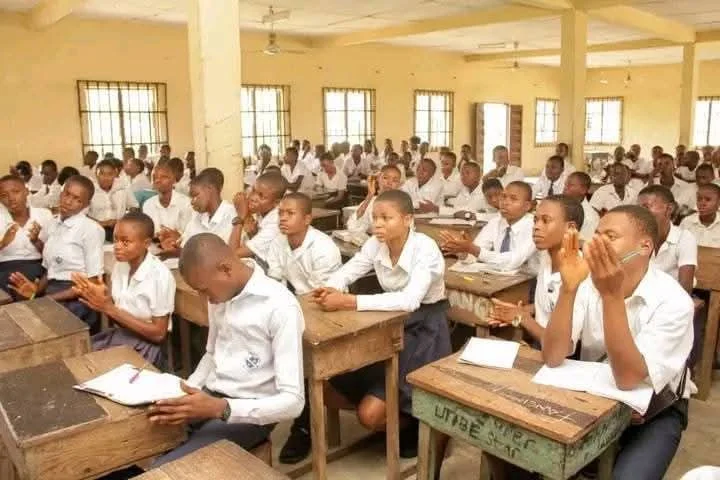
The senior secondary school curriculum in Nigeria has undergone several changes over the years to respond to evolving educational needs, technological developments, global standards, and national development priorities. These reforms are intended to ensure that students acquire the knowledge, practical skills, values, and competencies required to succeed in further education and the world of work. In recent curriculum discussions, the Federal Ministry of Education and the Nigerian Educational Research and Development Council (NERDC) have played important roles in reviewing and developing the subjects taught at the senior secondary school level. The introduction and revision of approved subjects are part of broader efforts to make education more relevant to the realities of contemporary Nigerian society.
The curriculum review is particularly significant for students in Senior Secondary School 1 (SS1), Senior Secondary School 2 (SS2), and Senior Secondary School 3 (SS3), as these years prepare learners for external examinations, tertiary education, vocational training, and employment. The subjects students study during this period can influence their academic choices, career interests, and readiness for adult responsibilities. By reviewing subject offerings and learning objectives, education authorities seek to improve the balance between academic knowledge and practical learning. However, students, parents, and teachers need clear information about the subjects officially approved for their classes, the requirements for different subject combinations, and any changes affecting examinations or progression to higher education.
One important objective of curriculum reform is to equip learners with competencies that extend beyond traditional classroom knowledge. Areas such as digital literacy, entrepreneurship, communication, problem-solving, environmental awareness, and civic responsibility have become increasingly relevant to students’ personal and professional development. Appropriate curriculum content in these areas can help learners understand how to use technology responsibly, identify economic opportunities, work collaboratively, make informed decisions, and participate constructively in their communities. The value of these subjects, however, depends on effective teaching, suitable learning materials, qualified teachers, and opportunities for students to apply what they learn to practical situations.
This article provides a detailed guide to the newly approved or revised subjects for Nigerian senior secondary school students, with attention to the information officially confirmed by the relevant education authorities. It examines the purpose of the curriculum changes, the grouping of subjects, their importance for students, and the possible approaches to classroom teaching and assessment. It also considers how subject choices may relate to students’ intended courses of study and career paths, while explaining why learners should confirm the specific requirements applicable to their schools and examination bodies. Since curriculum policies and implementation arrangements may change, readers should distinguish between officially approved subjects, proposed reforms, and changes already being implemented in schools.
The article also explores the potential benefits and practical challenges associated with implementing curriculum reforms across Nigeria. These challenges may include shortages of trained teachers, inadequate laboratories and digital facilities, limited instructional materials, differences in school funding, and the need to prepare teachers for revised learning objectives. Parents can support the process by staying informed about their children’s subject choices, discussing educational and career interests with them, and communicating with school authorities when clarification is needed. Teachers and school administrators, meanwhile, can contribute by planning lessons carefully, using available resources effectively, and helping students understand how classroom learning connects with real-life situations. With accurate information, adequate preparation, and effective implementation, curriculum reform can contribute to a more relevant and inclusive senior secondary education system.
Background to the Curriculum Reform
The Nigerian school system operates under the 9-3-4 structure:
9 years of Basic Education (6 years of primary + 3 years of junior secondary).
3 years of Senior Secondary Education.
4 years of Tertiary Education (average duration depending on course).
The senior secondary school stage is particularly critical because it determines the direction of a student’s career path whether academic, technical, vocational, or entrepreneurial.
Over time, stakeholders observed that the old curriculum was overloaded with subjects, lacked flexibility, and did not adequately prepare students for the demands of the 21st-century economy. Issues such as unemployment, poor entrepreneurial skills, weak digital knowledge, and low global competitiveness made it clear that reforms were needed.
The newly approved curriculum aims to:
Reduce subject overload.
Introduce relevant, skill-based subjects.
Make education more practical and learner-centred.
Align Nigeria’s curriculum with international best practices.
Structure of the Senior Secondary Curriculum
The new curriculum is organised into four broad fields of study:
Science and Mathematics
Technology and Vocational Education
Humanities
Business Studies
Every student is required to take a minimum of 8 subjects and a maximum of 9 subjects. These consist of:
5 compulsory cross-cutting subjects (for all students).
3 or 4 electives chosen from any of the four fields, depending on the student’s career interest.
Newly Approved Compulsory Subjects (for All Students)
The following subjects are compulsory for every Senior Secondary School student, regardless of career path:
English Language – To develop literacy, communication, and comprehension skills.
Mathematics – For numeracy, problem-solving, and logical reasoning.
One Trade/Entrepreneurship Subject – To prepare students for self-reliance and practical skills acquisition.
Civic Education – To instill patriotism, civic responsibility, and ethical values.
A minimum of one Nigerian Language (Yoruba, Igbo, Hausa, Ibibio, Efik, Tiv, etc.) – To preserve cultural identity and promote unity.
The Newly Approved Subjects for Senior Secondary School Curriculum for SS 1-3
List of Newly Approved Subjects
Below is the expanded list of subjects under the four major fields of study, including new additions approved for Senior Secondary Schools in Nigeria:
1. Five Core and Compulsory
– English Language
– General Mathematics
– One Trade subject,
– Citizenship and Heritage Studies
– Digital Technologies
2. Science
– Biology
– Chemistry
– Physics
– Agriculture
– Further Mathematics
– Physical Education
– Health Education
– Foods & Nutrition
– Geography
– Technical Drawing
3. Humanities
– Nigerian History
– Government
– Christian Religious Studies,
– Islamic Studies
– One Nigerian language
– French
– Arabic
– Visual Arts
– Music
– Literature in English
– Home Management
– Catering craft
4. Business
– Accounting
– Commerce
– Marketing
– Economics
5. One core trade subject (Students to choose one trade subject)
– Solar Photovoltaic installation and maintenance
– Fashion design and garment making
– Livestock farming,
– Beauty and cosmetology
– Computer hardware and GSM repairs
– Horticulture and crop production
1. Science and Mathematics
Biology
Chemistry
Physics
Further Mathematics
Agricultural Science
Physical and Health Education
Computer Studies (ICT/Digital Literacy – newly emphasised subject)
2. Technology and Vocational Education
Technical Drawing
Basic Electricity
Basic Electronics
Building Construction
Metalwork
Woodwork
Home Management
Clothing and Textiles
Food and Nutrition
Animal Husbandry (newly included to strengthen agriculture)
Fisheries (newly included)
Auto Mechanics
Welding and Fabrication
3. Humanities
Literature-in-English
History (reintroduced after being removed for several years)
Geography
Christian Religious Studies (CRS)
Islamic Religious Studies (IRS)
Government
Visual Arts
Music
French
Arabic
The Newly Approved Subjects for Senior Secondary School Curriculum for SS 1-3
4. Business Studies
Economics
Commerce
Financial Accounting
Insurance
Office Practice
Store Management
Marketing
Data Processing (newly emphasised due to ICT relevance)
Highlight of Key Newly Introduced Subjects
History – After years of exclusion, History has been brought back as a compulsory subject in the Humanities. Its reintroduction is meant to promote national identity, historical awareness, and patriotism among students.
Entrepreneurship and Trade Subjects – At least one trade subject is now compulsory. Options include Catering Craft, GSM Maintenance, Photography, Tailoring, Tourism, and more. This is to address youth unemployment by equipping students with hands-on skills.
Animal Husbandry and Fisheries – Strengthening the Agricultural Science component ensures students are prepared for careers in agribusiness and food security.
Computer Studies/Data Processing – With digital skills becoming central to every profession, ICT-based subjects are now compulsory for modern competitiveness.
Assessment and Examination
The newly approved subjects will be assessed through:
Continuous Assessment (CA): Classwork, projects, assignments, and practicals (30%).
Examinations: End-of-term and external exams (70%).
Senior School Certificate Examination (SSCE): Conducted by WAEC, NECO, and NABTEB. Students must register for compulsory and elective subjects in line with the curriculum.
Benefits of the New Curriculum
Skill-Oriented Learning: Students graduate with practical skills for employment and entrepreneurship.
Balanced Education: Combines academics, vocational training, and civic responsibility.
Global Competitiveness: Subjects like ICT and entrepreneurship align with global trends.
Reduced Overload: Students now focus on 8–9 subjects instead of 12–15, making learning deeper and less stressful.
National Identity: Subjects like History and Civic Education strengthen cultural awareness and patriotism.
Challenges in Implementation
While the reforms are commendable, there are challenges:
Insufficient Qualified Teachers: Many schools lack trained ICT and vocational subject teachers.
Inadequate Facilities: Workshops, laboratories, and equipment are often unavailable.
Curriculum Adaptation: Teachers need retraining to adapt to new content.
Funding: Implementing trade subjects requires significant investment in tools and materials.
The Newly Approved Subjects for Senior Secondary School Curriculum for SS 1-3
Recommendations for Successful Implementation
Teacher Training: Government should organise workshops for teachers in new subject areas.
Provision of Facilities: Schools need functional laboratories, libraries, and ICT centres.
Partnerships: Collaboration with private sector and NGOs for technical support.
Parental Involvement: Parents should encourage children to take trade subjects seriously.
Student Orientation: Schools should guide students in selecting electives that align with future careers.
How Parents and Students Should Prepare
Students: Focus on both compulsory and elective subjects; embrace vocational subjects with an open mind.
Parents: Provide support materials, encourage ICT usage, and motivate children to excel in trade skills.
Teachers: Use learner-centred methods and integrate practicals into lessons.
Frequently Asked Questions
1. How many subjects should a Senior Secondary student offer?
Between 8 and 9 subjects, including 5 compulsory ones.
2. Is History now compulsory?
Yes, it has been reintroduced and is compulsory at some levels.
3. Can students choose more than one trade subject?
Students are required to take at least one, but schools may allow more depending on capacity.
4. Why was the curriculum changed?
To reduce overload, improve skills, and prepare students for modern challenges.
5. Will WAEC and NECO include these subjects in their exams?
Yes, examination bodies have adjusted syllabuses to reflect the new curriculum.
Conclusion
The newly approved subjects for the Senior Secondary School Curriculum (SS1 to SS3) represent an important step in Nigeria’s efforts to improve the relevance and quality of secondary education. The curriculum reforms are intended to equip students with the knowledge, practical skills, and values needed to respond to changing educational, economic, and social demands. By reviewing subject offerings and learning objectives, the government aims to create a stronger connection between classroom instruction, national development priorities, and the realities students will encounter after graduation. The effectiveness of these changes will depend on appropriate implementation, adequate learning resources, and the capacity of schools to deliver the revised curriculum.
The renewed emphasis on subjects such as History, information and communication technology, and trade-related areas reflects the importance of developing well-rounded learners. History helps students understand Nigeria’s past, appreciate the experiences that have shaped the nation, and examine the origins of contemporary social and political issues. Stronger ICT education can improve students’ digital literacy and prepare them to use technology effectively in further education and the workplace. Meanwhile, practical and trade-related subjects can expose learners to vocational skills, entrepreneurship, creativity, and potential self-employment opportunities. Together, these areas can complement academic learning and help students prepare for different pathways after secondary school.
Ultimately, the success of the revised curriculum will depend on more than the approval of new subjects. Schools need qualified teachers, suitable instructional materials, functional facilities, and clear assessment guidelines to translate curriculum objectives into meaningful learning experiences. Students should also receive proper guidance when selecting subjects so that their choices reflect their interests, abilities, and future educational or career plans. With effective planning and sustained support from education authorities, teachers, parents, and communities, the curriculum reforms can contribute to preparing Nigerian students for academic progression, practical work, and responsible participation in society.
Students, teachers, and parents must embrace these changes as opportunities for growth. With proper implementation, this curriculum reform can help produce well-rounded graduates who are ready for higher education, employment, entrepreneurship, and responsible citizenship.



No comments yet. Be the first to share your thoughts.